Maincare projects
Every project tells a story. Below is the first chapter of Maincare's — followed by selected prior work led by our principal across three continents and two decades.
Before founding Maincare Services, Jeronimo spent over two decades practicing across South America and China — including twelve years in Beijing with Obermeyer Engineering Consulting and his own studio, Equilibrium Architecture. The projects below are a small slice of that body of work, presented here as professional context for the residential practice in Maryland today.
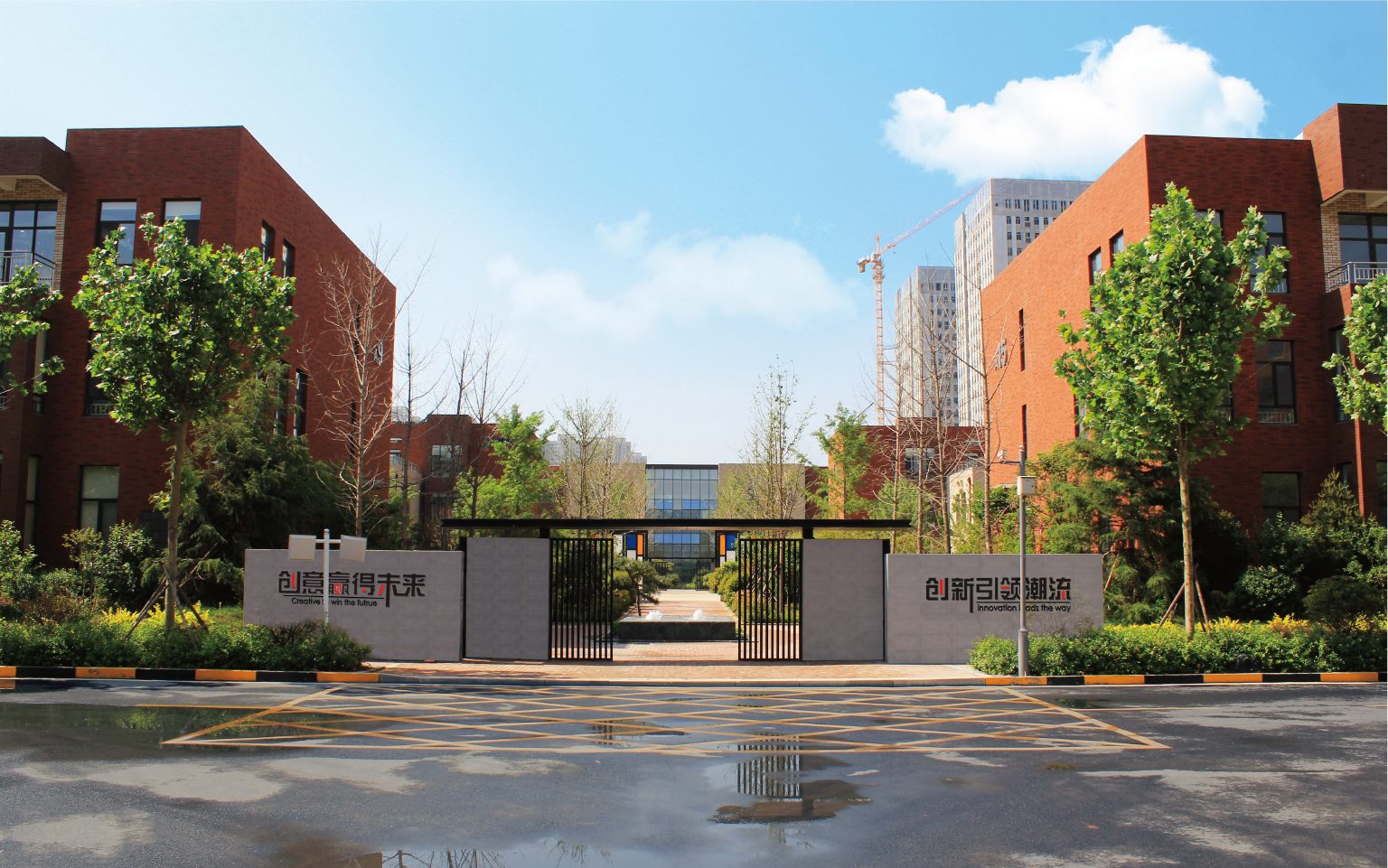
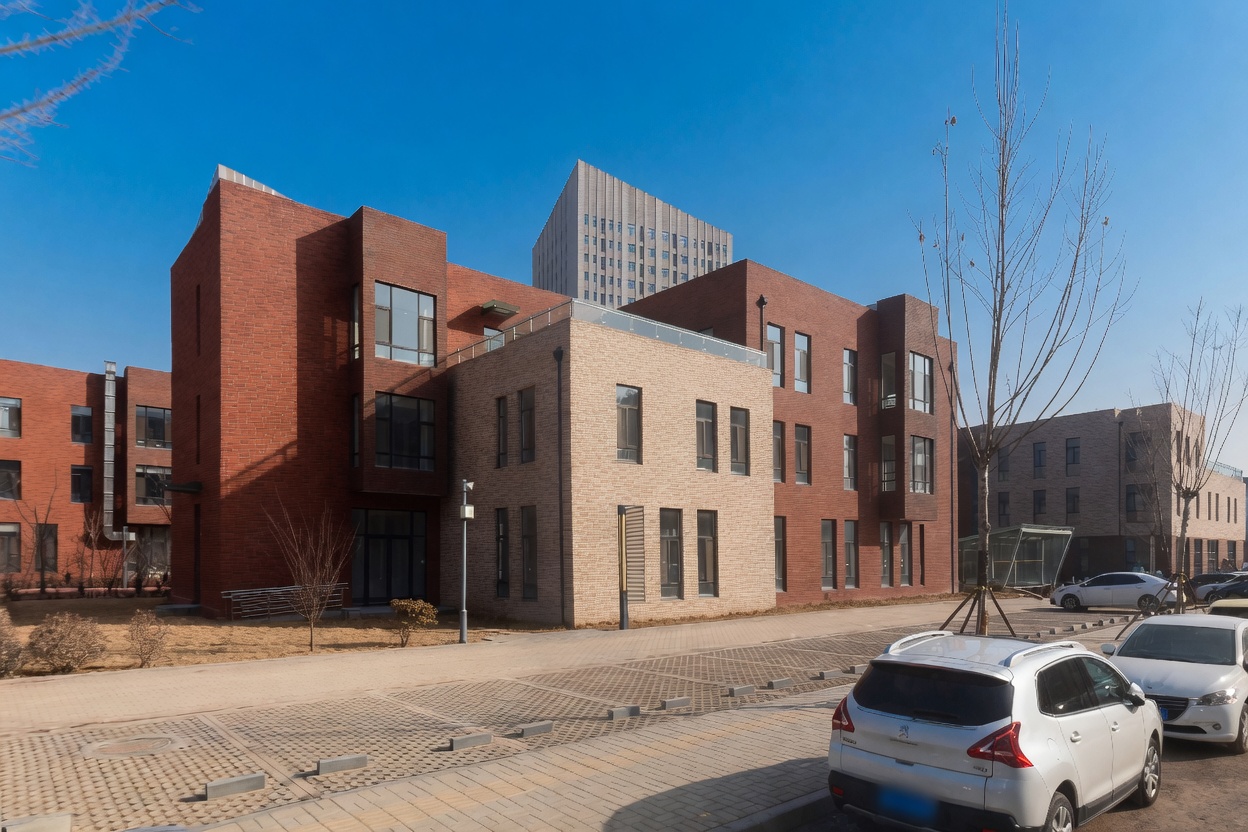
Yinfeng Industrial Park reframes the industrial-park typology around the cultural and urban character of its region. The park's architecture is shaped by simple volumes that draw on structural modulus, with shifts in massing producing rhythm and depth. Buildings face inward to spatial richness — landscape and natural light — while the framing volumetrics carry the architectural language across the site.
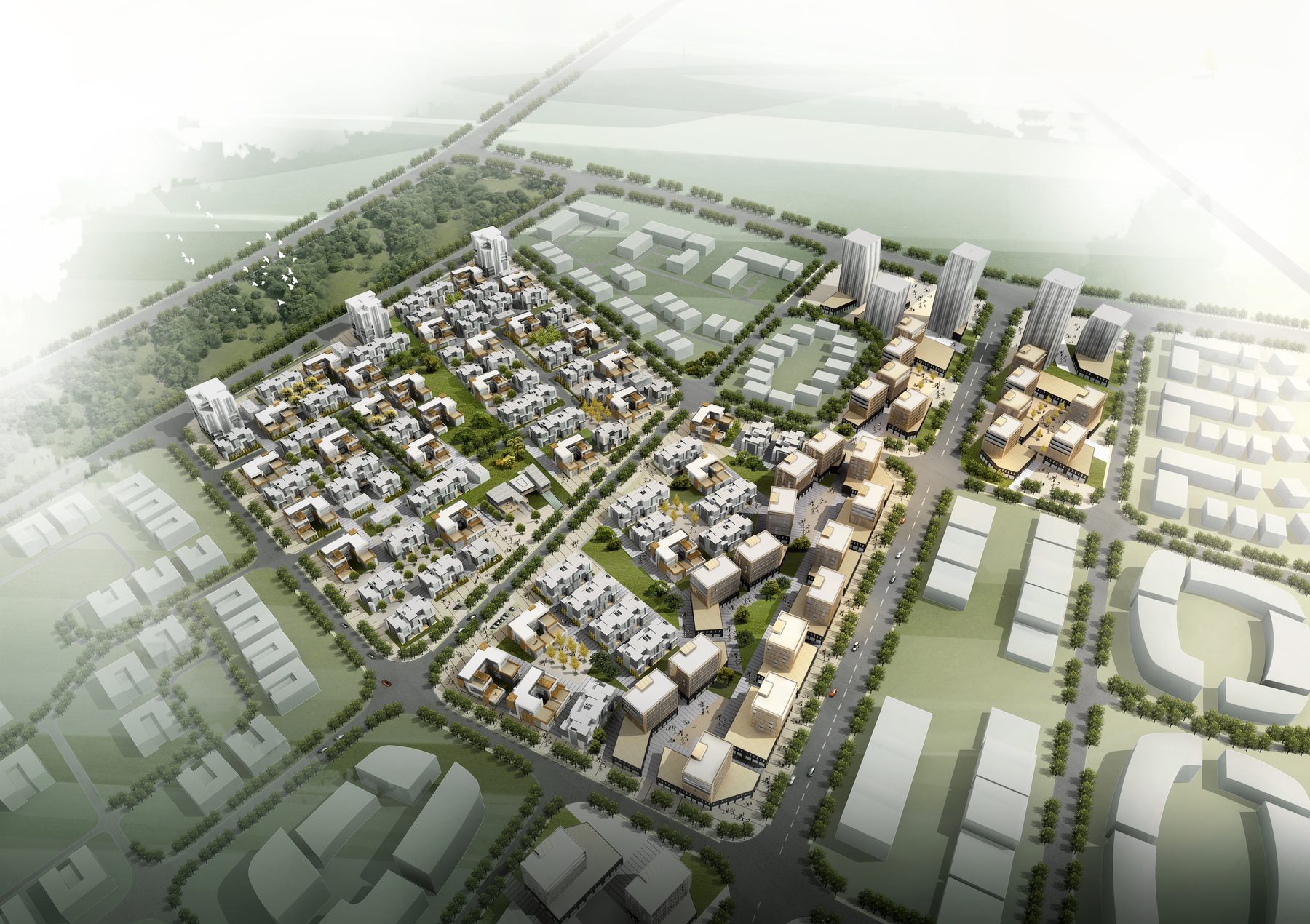
Shenyang RFID Technology Park organizes a mixed-use technology district — research, light production, office, and supporting retail — around a central public spine. The plan distributes building heights to give every block a balance of solar access and street presence, with a lower-rise office grain at the perimeter stepping up to taller volumes near the public core.
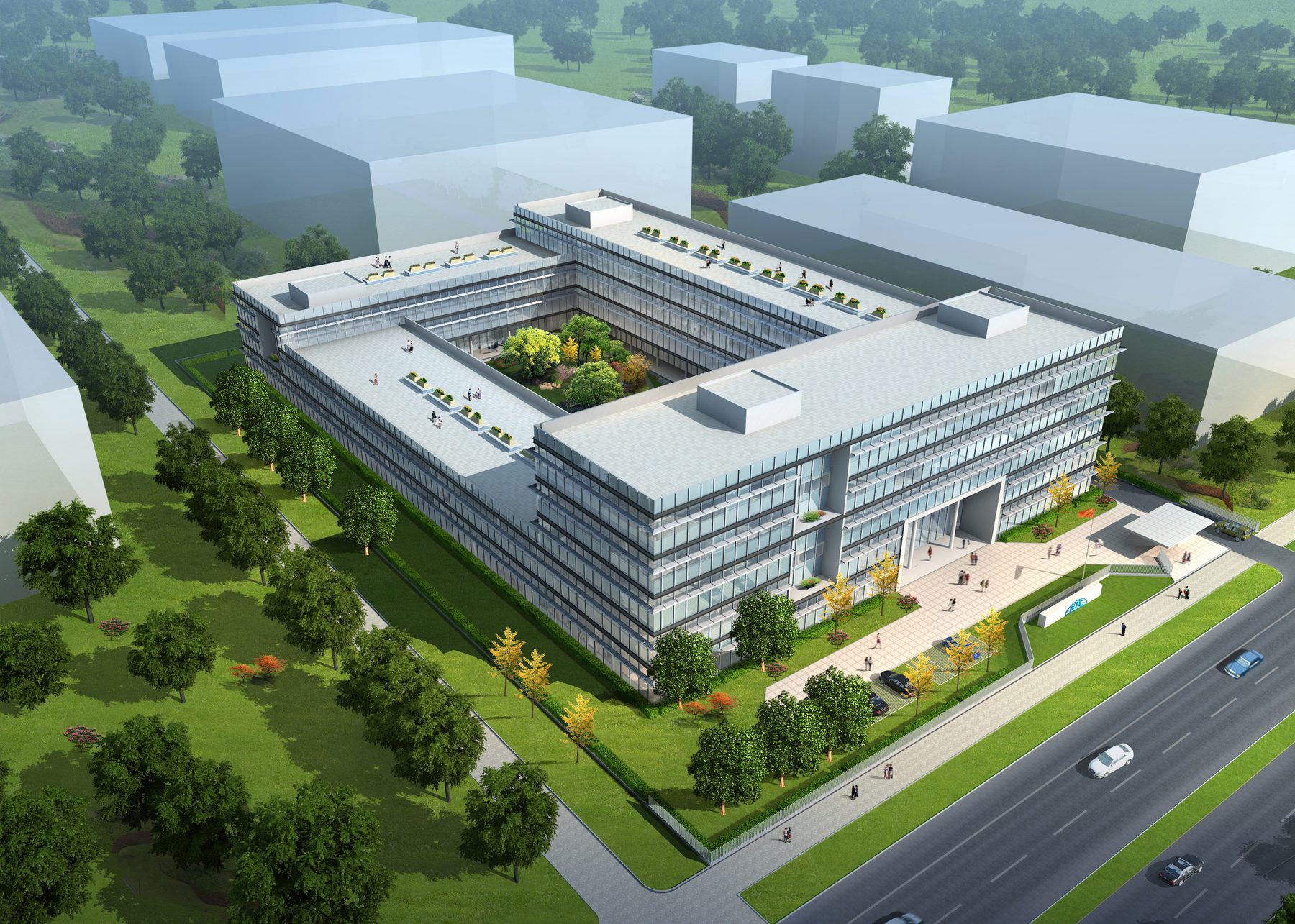
EPC's brief called for a building shared between the client's own office and laboratories and the workspace of partner companies. The design emphasizes the horizontal — exposed floor slabs run as ribbons across the facade, paired with a modular glass system that lets each tenant tune the inside to its own program. The plan encloses a planted central courtyard, with green-roof terraces stepping back on the upper floors so every workspace has a line of sight to landscape — a quiet correction to the standard sealed-glass office block.
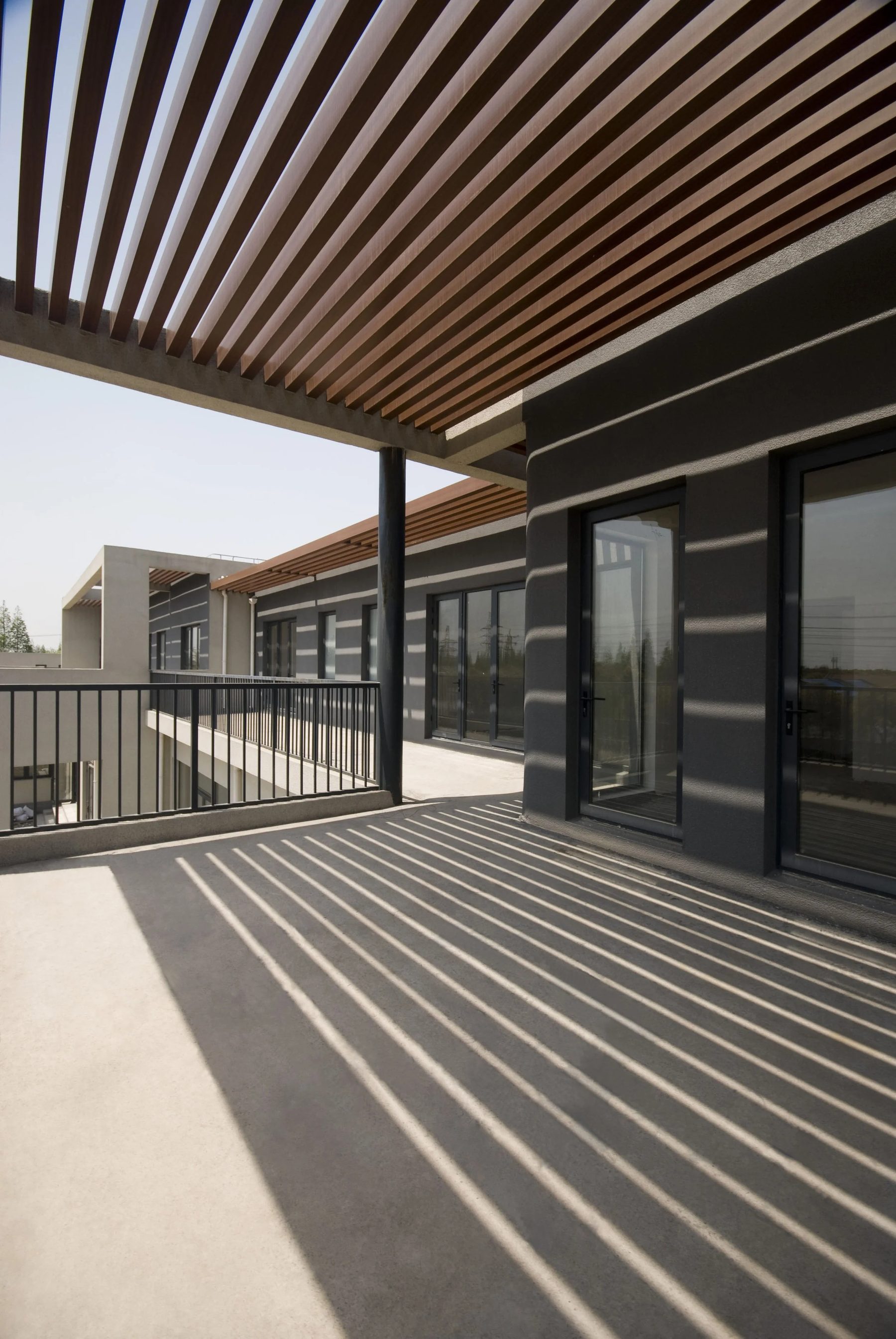
The Dai family asked for three houses, side by side, on the same plot in Shanghai's western villa belt — one for each brother — designed to feel related but never identical. The result is a trio of clean white volumes that share a common landscape language, each rotated and recomposed so the courtyards and roof terraces never look at one another, while the elevations remain in family resemblance from the street.
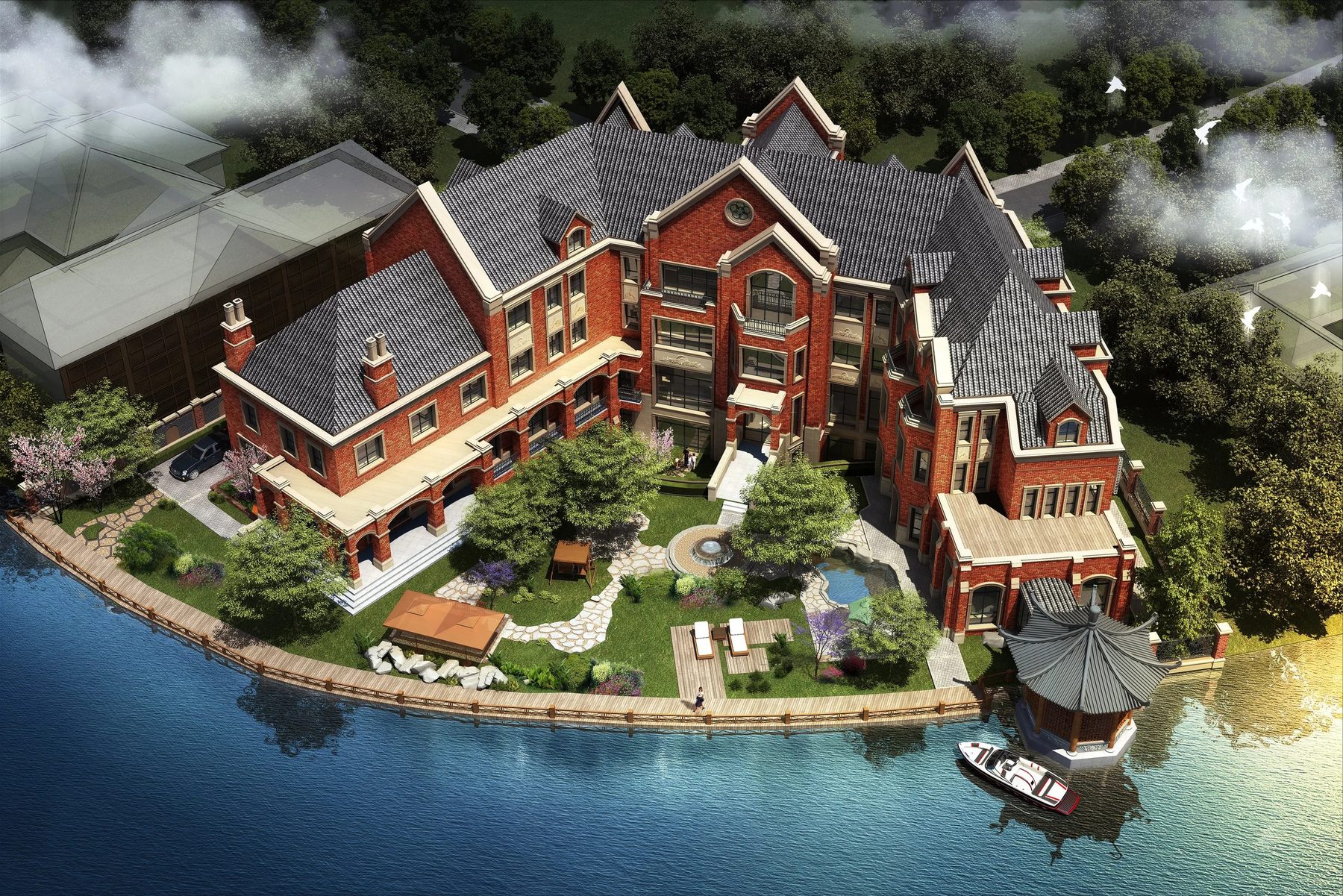
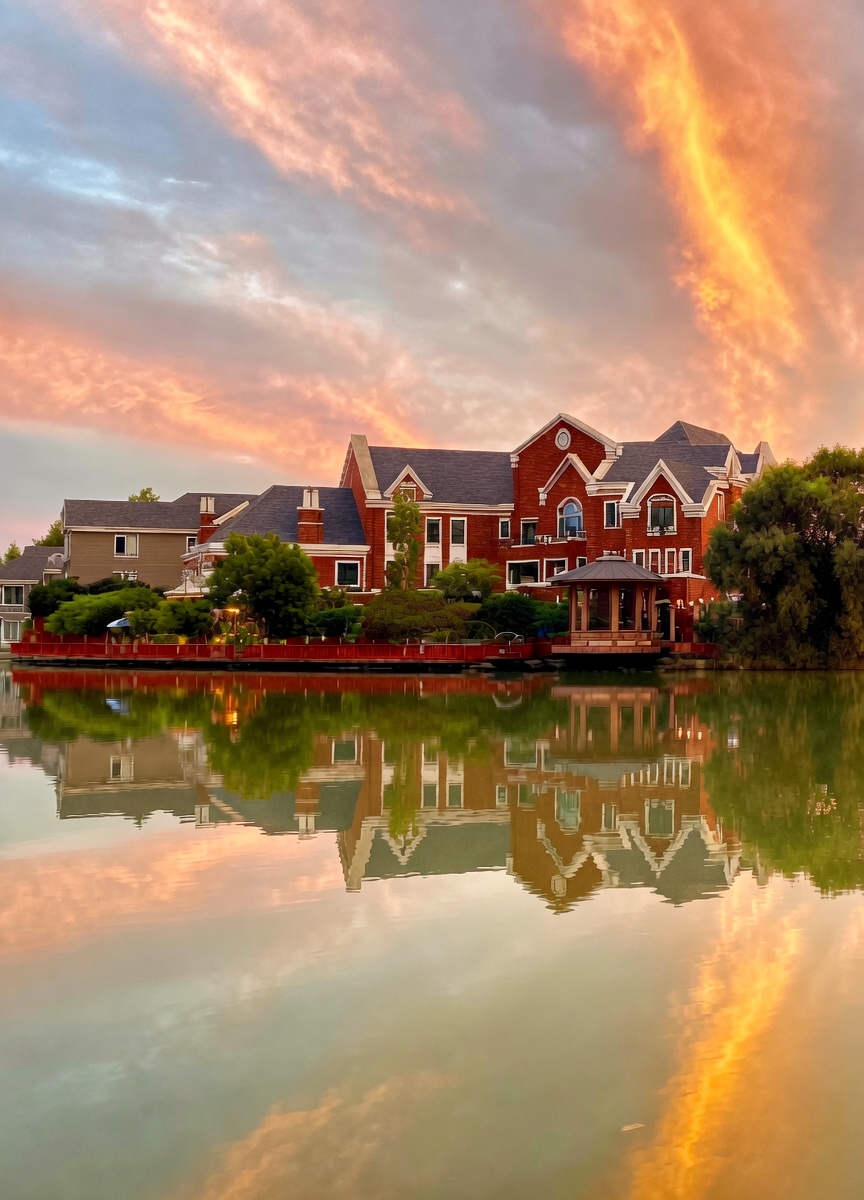
Bishui No. 1 is a single-family villa in Beijing built around its owner's specific brief: large family rooms, accommodations for visiting friends, and a long list of in-house amenities — pool, screening room, club space — that needed to coexist without making the house feel like a hotel. The plan separates public, family, and service zones across three circulation systems, so guests, family, and staff move through the house without ever crossing paths they shouldn't.
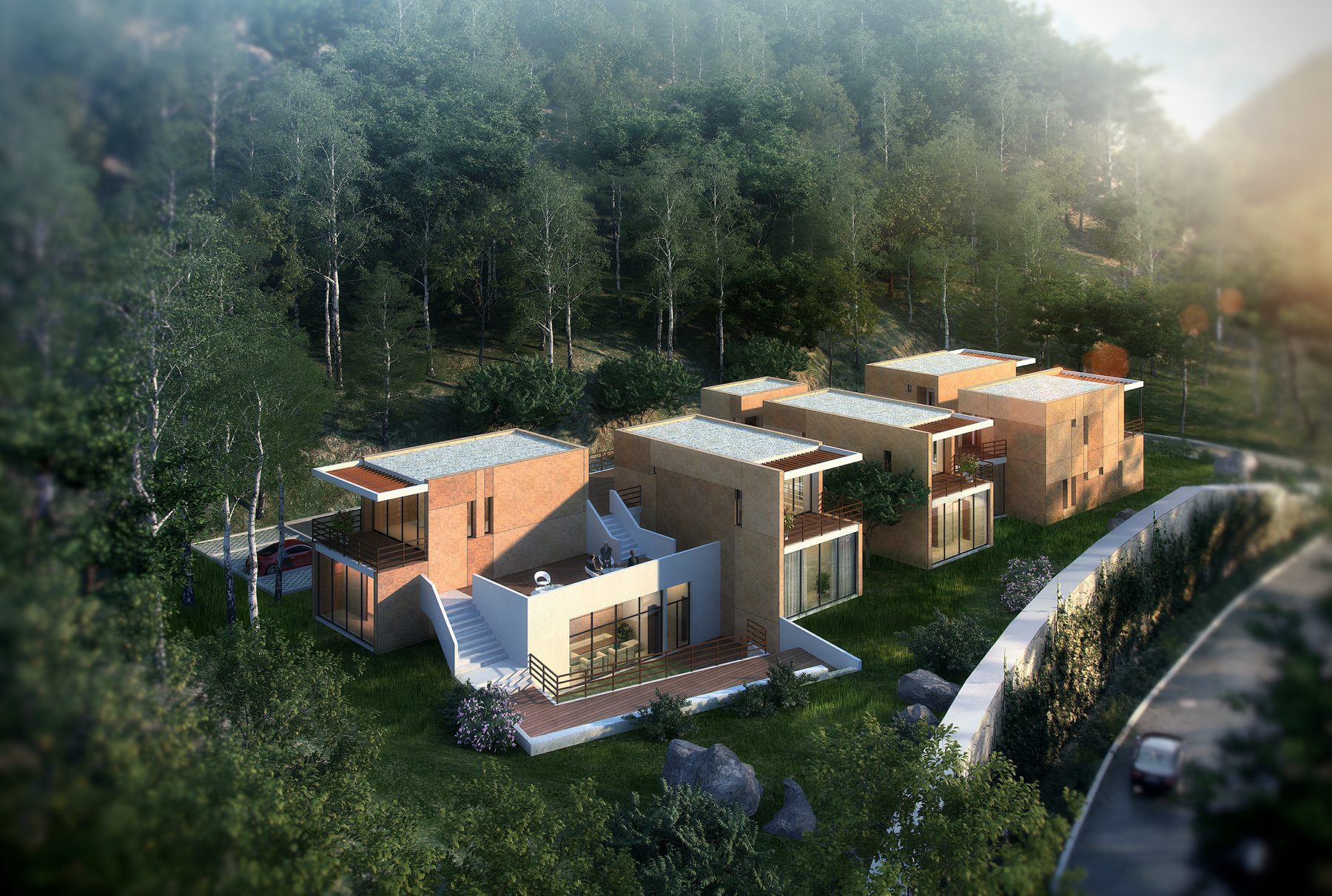
Pingu Villa fragments the program of a single large country house into a cluster of smaller volumes terraced down a wooded slope. Each cube is a room or a small group of rooms, shifted on the section to follow the natural grade rather than fight it. The arrangement gives every space a private exterior — a deck, a patio, a courtyard cut into the hillside — and reads from a distance as a small village rather than a single estate.
We'd love to hear about it. Every inquiry gets a direct reply.
Start a Conversation →